Embracing Autumn’s Bounty: A Guide to Preserving Your Garden’s Hot Peppers and More
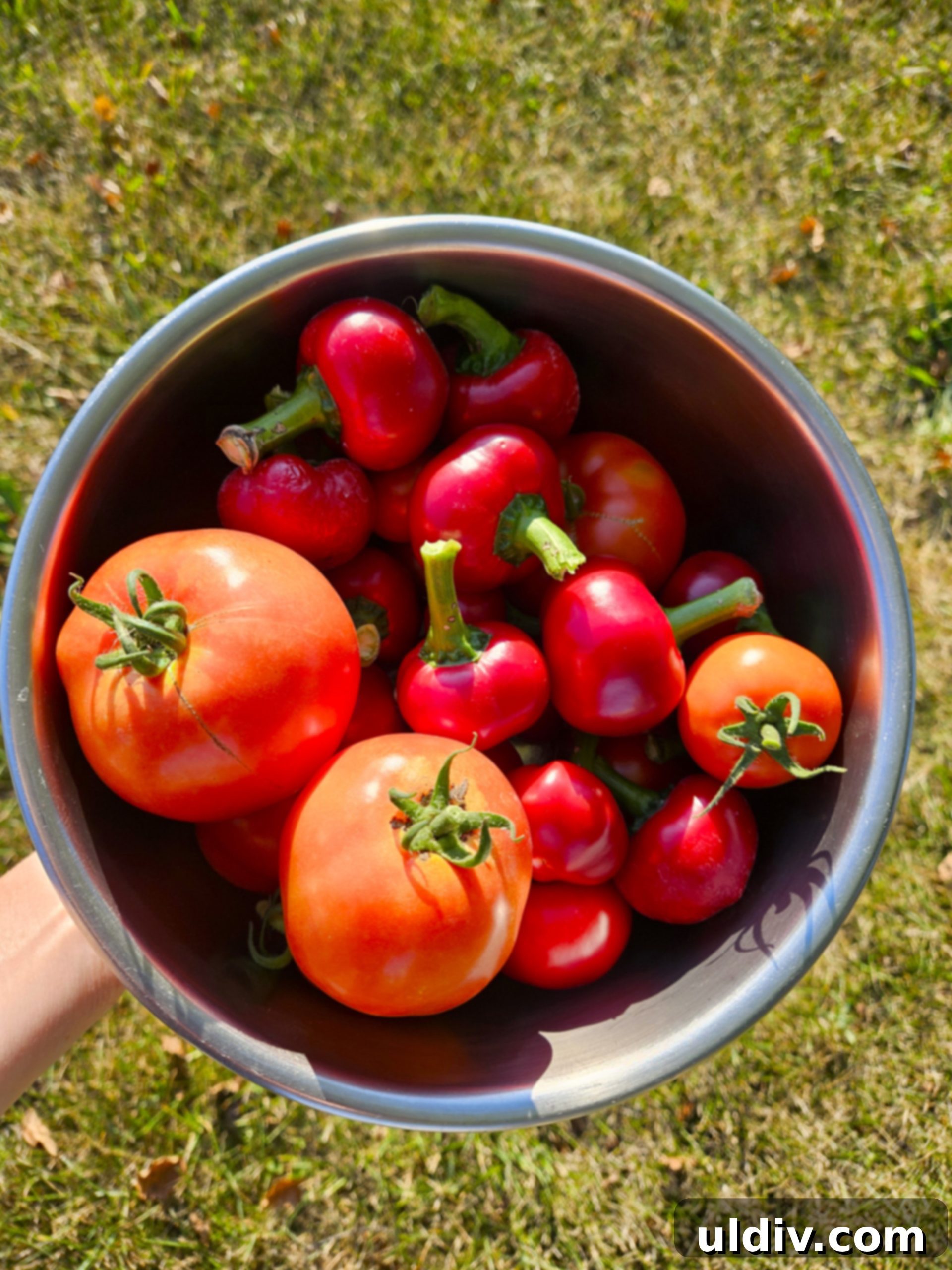
As the vibrant colors of autumn begin to fade, signaling the inevitable arrival of winter, these past few weeks have flown by in a whirlwind of activity. Between meticulously preserving the last precious vegetables from our bountiful garden, performing essential winter preparations for our vehicles, and navigating countless school runs, finding a moment for quiet reflection on the beauty and abundance of the ending fall season has been a challenge. Fortunately, this is where the power of photography truly shines. While my thoughts may wander far and wide, these captured moments, these vivid images, remain with us, timeless and everlasting, serving as a beautiful reminder of nature’s generosity and our family’s connection to it.
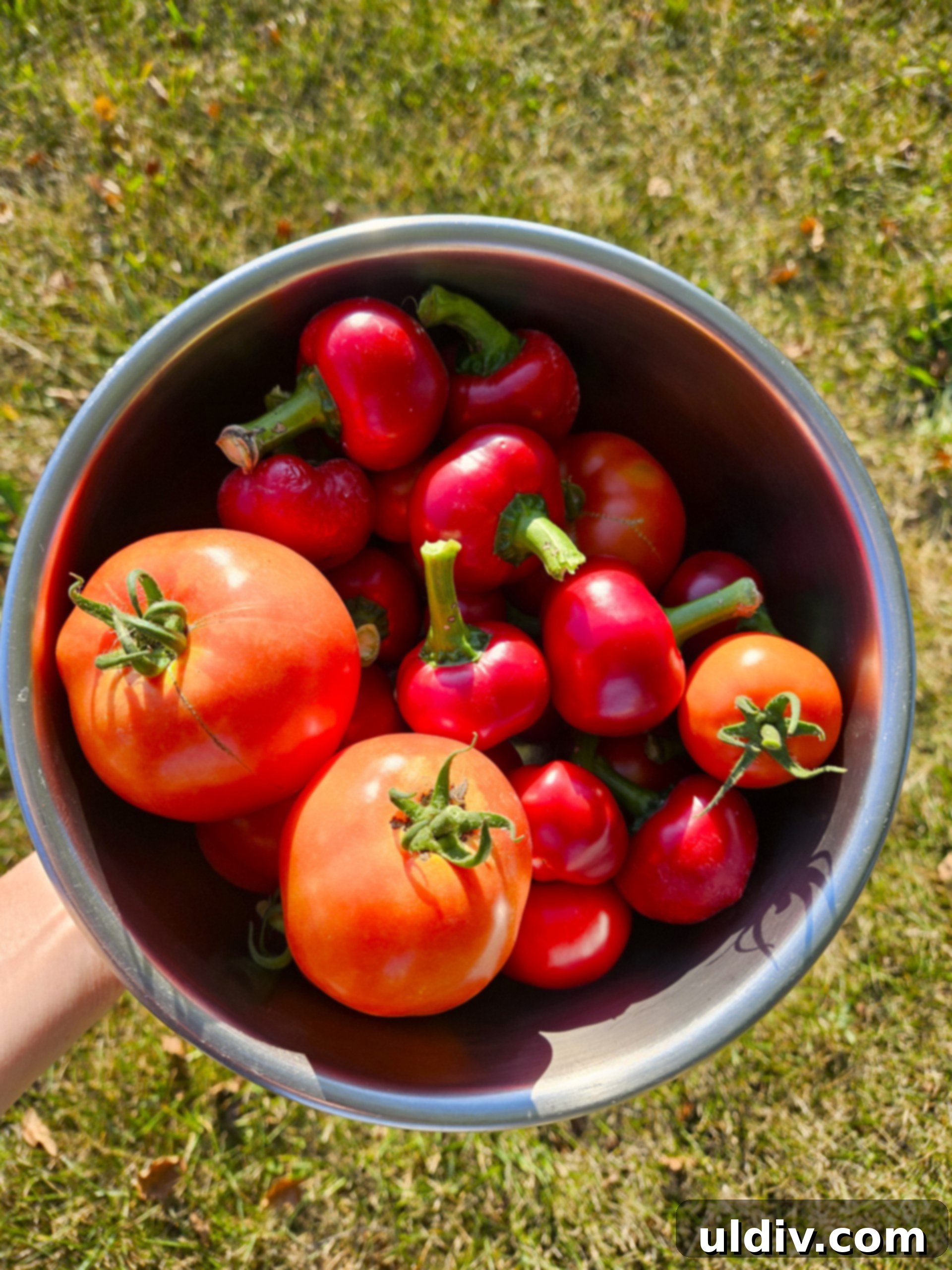
Despite a rather late start to our growing season, necessitated by our return from a memorable summer trip to New Orleans (for a deeper dive into our culinary and cultural adventures, you can explore my previous posts on the Bocuse d’Or Americas Selection here, the Pastry World Cup Americas Selection here, a culinary tour of What I Ate in New Orleans here, and our visit to The Southern Food & Beverage Museum here), we were blessed with an incredibly abundant homegrown harvest. This year, we decided to incorporate a couple of hot pepper plants purchased from a local nursery, and they truly outdid themselves, producing a consistent and generous flow of wonderfully spicy peppers right up until the first frost.
Mastering the Art of Pickling: Your Easy Guide to Preserving Hot Peppers
Faced with such an impressive yield of fiery peppers, the immediate question that comes to mind is: “What’s the best way to utilize and preserve these spicy gems?” The answer, in my family’s tradition, is surprisingly simple and incredibly satisfying: pickling! This method not only extends their shelf life but also enhances their flavor, turning them into a versatile condiment perfect for adding a kick to countless dishes. While there are many elaborate recipes out there, my go-to is truly the easiest and quickest approach, rooted in generations of practical home preservation.
My earliest memories of peppers revolve around bustling visits to the local farmers’ market with my mother. Our mission was always clear: to seek out the hottest peppers we could possibly find. As a child, I eagerly took on the important role of pepper picker, carefully selecting each one, hoping with every fiber of my being that they would meet the exacting standards of my father, a true aficionado of spicy foods. He preferred to enjoy them raw, often alongside his lunch or dinner, savoring their intense heat. However, when our harvests inevitably became too plentiful, my resourceful mother would turn to pickling, transforming the surplus into delightful jars of preserved spice that would last us through the colder months.
My mother, like many home cooks of her generation, rarely adhered to precise recipes or exact measurements. Her cooking was an intuitive dance of flavors and ingredients, guided by experience and an innate understanding of food. Consequently, the pickling method she passed down, and which I continue to use, might not strictly conform to current USDA guidelines for home canning, which prioritize specific acidity levels and processing times for long-term shelf stability. However, this traditional approach has been a staple in our family for decades, consistently yielding delicious results without any adverse reactions. It is a testament to the power of simple, time-tested techniques. My sincere advice, however, is to only use this method if you feel entirely comfortable with it and understand the inherent differences between traditional pickling and modern canning standards. Always prioritize safety and good judgment in your kitchen.
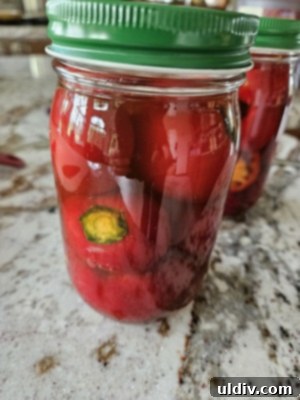
Essential Ingredients for Homemade Pickled Peppers
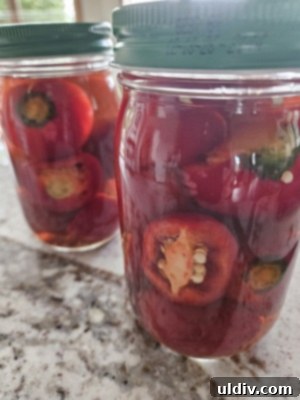
For this straightforward pickling recipe, you will need just a few key components: immaculately clean and completely dry jars, your fresh hot peppers, high-quality pickling salt, and a steady supply of good vinegar. The preparation of your peppers offers a degree of flexibility. You can choose to leave them whole, especially smaller varieties, for a more rustic presentation and a slower infusion of flavor. Alternatively, you can slice them into rings or halves. Slicing not only accelerates the pickling process, allowing the brine to penetrate more quickly, but also provides an opportunity to inspect and remove any blemishes or dark spots, ensuring only the best parts of your peppers make it into the jar. Personally, I often slice them if I notice any imperfections that need to be trimmed away.
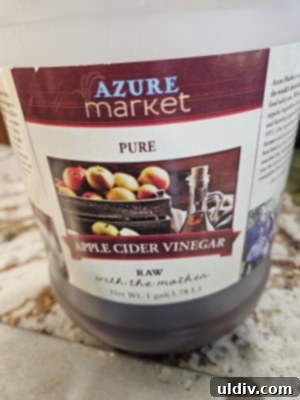
In years past, our pickling endeavors were limited to the ubiquitous white wine vinegar, which was practically the only variety readily available on market shelves. Times have certainly changed, and now a wonderful array of vinegars awaits the home preserver. Nowadays, I exclusively turn to Azure Standard’s organic apple cider vinegar “with the mother.” My journey as an Azure Standard customer spans several years, and I continue to be deeply impressed by their commitment to wholesome, high-quality products and their genuinely holistic business model. They are more than just a grocery delivery service; they embody a philosophy of sustainable living and community support. I highly encourage you to explore Azure Standard for yourself here. And for those eager to learn more, keep an eye out for my upcoming comprehensive review of Azure Standard, where I’ll delve into all the details of what makes them such a remarkable company.
The Simple Steps to Perfect Pickled Peppers
The process itself is wonderfully straightforward. First, I meticulously fill the clean jars, ensuring the peppers are evenly distributed throughout. Next, I carefully sprinkle pickling salt directly into each jar. The ratio I’ve perfected over time is one tablespoon of pickling salt per pint-sized jar. For larger jars, I simply multiply this quantity accordingly, maintaining the same proportion. It’s crucial to use pickling salt, as it lacks anti-caking agents and iodine found in table salt, which can cloud your brine and discolor your vegetables. After the salt, I pour unheated, room-temperature vinegar over the peppers. This “cold pack” method is key to maintaining the peppers’ crispness and vibrant color. The most critical step here is to ensure that the peppers are completely submerged in the vinegar. Any pepper exposed to air risks spoilage, so don’t be shy with the vinegar! Once filled, I securely seal the jars with their lids – and that’s truly all there is to it!
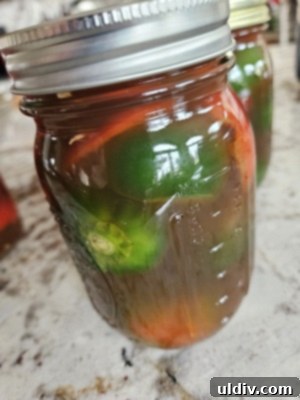
Patience is a virtue, especially when it comes to pickling. Allow the jars to rest for at least two weeks for the pickling process to fully occur. During this time, the peppers will absorb the tangy, salty flavors of the brine, transforming into those delightful pickled morsels we all love. After this waiting period, you can confidently open the jars and savor the fruits of your labor. The peppers will be crisp, flavorful, and ready to add a zing to your favorite meals.
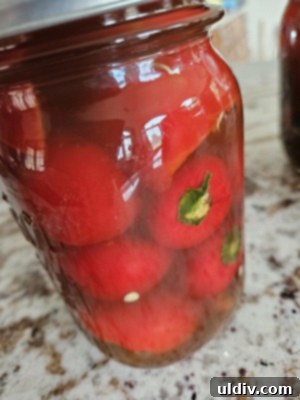
For optimal freshness and to prolong their vibrant flavor, I store the unopened jars in a cool, dark place, typically in our basement. Once a jar has been opened, it promptly finds its new home in the refrigerator, ensuring the pickled peppers remain crisp and delicious for weeks to come. This simple preservation technique ensures we can enjoy the fiery goodness of our homegrown peppers long after the garden has gone dormant.
Beyond the Heat: A Diverse Fall Harvest
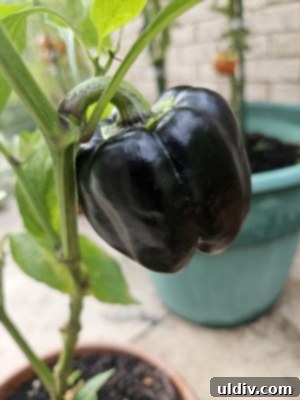
Our garden’s bounty this season extended far beyond just hot peppers. We were also thrilled to harvest some truly amazing sweet purple peppers, which added a beautiful splash of color and mild sweetness to our salads and stir-fries. These unique peppers are a fantastic alternative for those who enjoy the crunch and flavor of bell peppers but are looking for something a little different and visually striking.
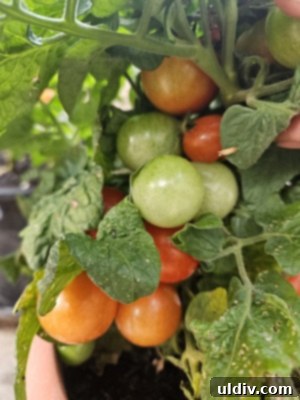
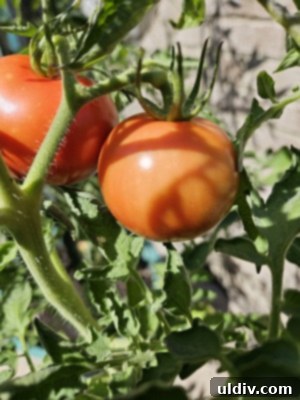
And, of course, no garden is complete without a plentiful supply of ripe, juicy tomatoes. This year, our plants groaned under the weight of countless tomatoes, a true testament to the fertile soil and sunny days. We utilized these fresh tomatoes in vibrant summer salads, adding a burst of flavor to every meal, and also dedicated time to making homemade tomato sauce. This not only allowed us to savor the fresh taste of our garden’s yield but also ensured that not a single precious tomato went to waste. Our primary crop consisted of indeterminate tomato varieties, known for their continuous production throughout the season, alongside a couple of charming Tiny Tim determinate tomatoes. These compact plants, ideal for containers, have now been successfully moved indoors, promising a continued, albeit smaller, harvest through the colder months.

For those curious about the distinctions between these tomato types, my detailed discussion on determinate versus indeterminate tomatoes can be found here. Understanding these differences is crucial for planning your garden and maximizing your tomato yield, whether you have a sprawling plot or a small patio space.
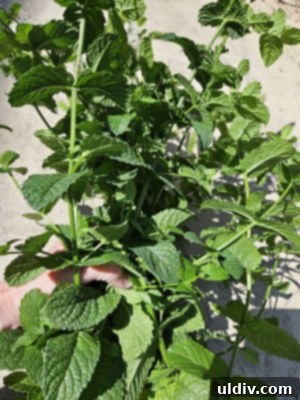
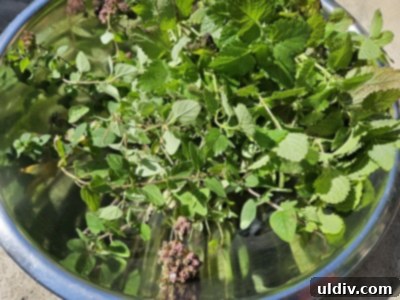
Our herb garden also thrived, providing an aromatic bounty that elevated our culinary creations. We harvested generous amounts of fragrant mint, perfect for refreshing teas and vibrant desserts. Alongside it, the robust flavors of thyme and oregano flourished, becoming indispensable staples in our savory dishes, from hearty stews to flavorful roasts. There’s truly nothing quite like the taste of fresh, homegrown herbs to transform a meal.
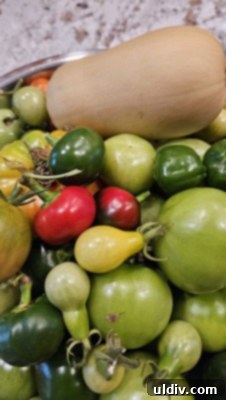
The transition from a bustling summer garden to a quieter autumn one always leaves us with a few delightful challenges. When the first frost arrived, we were left with a substantial amount of green tomatoes still clinging to their vines. Far from being a loss, these unripe gems present a wonderful opportunity for unique culinary creations. Stay tuned to discover what magical dish I crafted with these late-season beauties – it’s a cherished family favorite recipe that I can’t wait to share with you all very soon!