
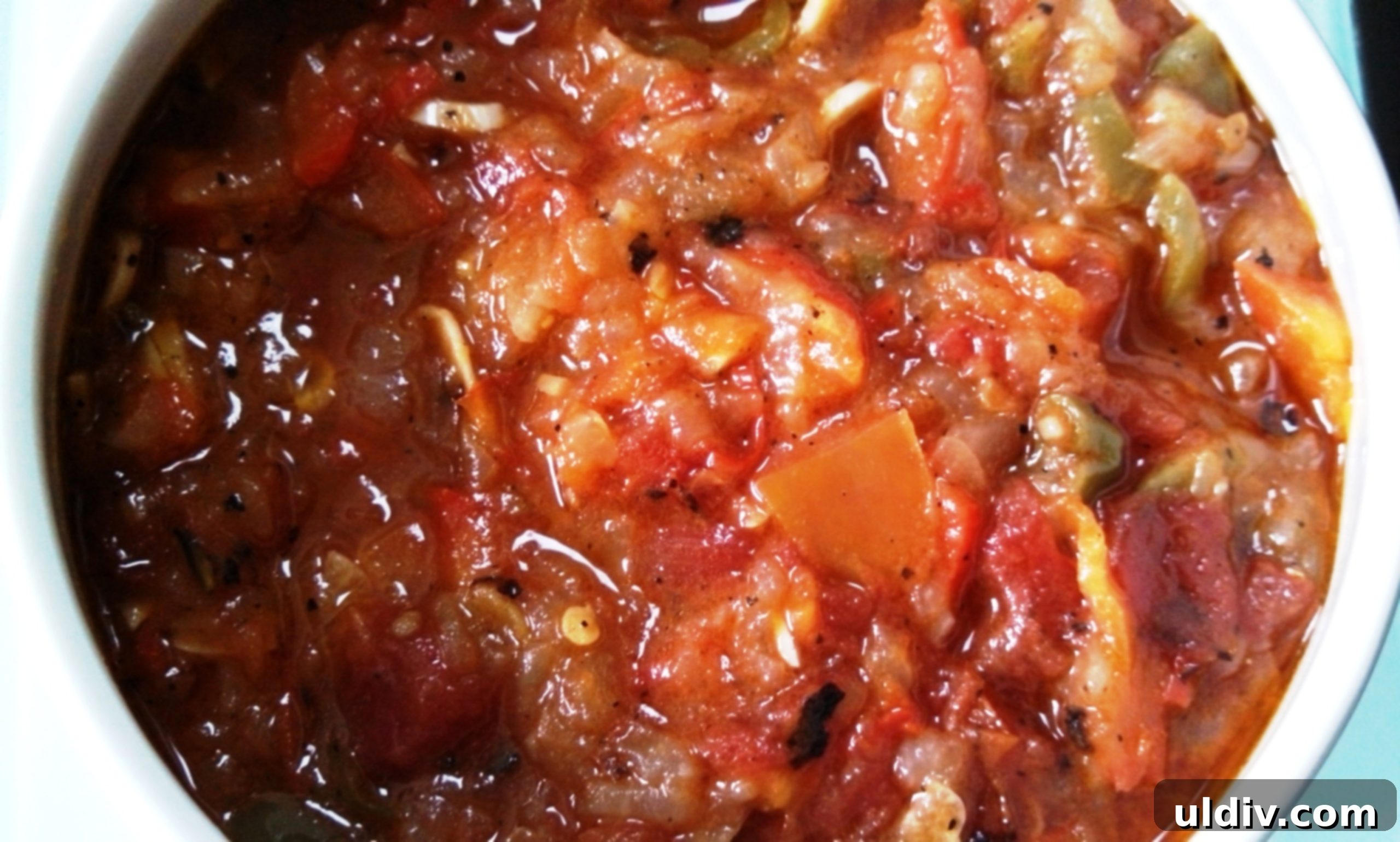
Discover Your Kitchen’s Unsung Hero: The Ultimate Versatile Vegetable Sauce
Every home chef knows those essential ingredients that quietly elevate dishes without demanding the spotlight. They are the kitchen staples you instinctively reach for, the secret weapons tucked away in your pantry or fridge that you rely on time and again. These are the unsung heroes of the culinary world – ever-present, incredibly effective, yet often underestimated. While common seasonings or a squeeze of fresh lemon zest might spring to mind, my personal culinary hero takes a more substantial, flavorful form: a homemade, incredibly versatile vegetable sauce.
For years, this vibrant, savory sauce has been a cornerstone of my cooking. It’s the kind of staple that effortlessly transforms simple meals into something extraordinary, adding depth, body, and a wealth of nutrients. The journey of this sauce began with a cherished family recipe, passed down from my mother-in-law, and it has since become an indispensable part of my culinary repertoire. Easy to prepare, packed with garden-fresh vegetables, and remarkably adaptable, this sauce is a testament to the power of foundational ingredients. It’s more than just a condiment; it’s a flavor enhancer, a nutritious boost, and a true time-saver all rolled into one.
Why Every Kitchen Deserves a Go-To Homemade Vegetable Sauce
In the bustling rhythm of modern life, finding ways to infuse healthy, homemade goodness into our meals can be a significant challenge. This versatile vegetable sauce offers a brilliant and delicious solution. Imagine a single preparation that can effortlessly enrich pasta, transform plain grains, enliven sandwiches, and even serve as a robust base for hearty stews or vibrant soups. Its versatility is truly unmatched. Not only does it streamline meal preparation by providing a ready-made flavor foundation, but it also ensures you’re incorporating a healthy dose of delicious vegetables into your daily diet with minimal effort. Whether you’re a seasoned cook looking for new inspiration or a busy home chef striving for efficiency, having a batch of this savory sauce on hand is an absolute game-changer for healthful, flavorful eating.
The Secret to Its Success: Simple, Wholesome Ingredients
The enduring appeal and undeniable deliciousness of this sauce lie in its beautiful simplicity. With just a handful of fresh, readily available ingredients, you can create a robust flavor profile that is both comforting and exciting. Each component plays a crucial role in building the sauce’s distinct character. Here’s a detailed look at what you’ll need to embark on your journey to culinary heroism:
- 1 Large Red Bell Pepper: Red bell peppers contribute a natural sweetness and a vibrant color, deepening the sauce’s flavor. Feel free to use a combination of peppers, like two small green peppers from your garden, as I often do, to add subtle nuances and prevent food waste.
- 1 Medium White Onion: The aromatic foundation of many great sauces, white onions sweeten and soften as they cook, providing a gentle backdrop for the other flavors.
- 1 Can (14.5 oz) Fire-Roasted Diced Tomatoes: These are the true stars for depth of flavor. Fire-roasted tomatoes deliver a wonderful smoky undertone and a rich, concentrated tomato taste that elevates this sauce far beyond a standard tomato base.
- 4 Cloves of Fresh Garlic: Garlic is indispensable for its pungent, aromatic kick, adding a layer of complexity and savory goodness that marries perfectly with the other vegetables.
- 1 Cup Water: Used to help soften the initial vegetables and create the perfect simmering consistency, allowing flavors to meld without burning.
- 2 Tablespoons Vegetable Oil: Or opt for extra virgin olive oil for a richer, more Mediterranean-inspired flavor. This oil helps sauté the vegetables and carries their fat-soluble flavors throughout the sauce.
- Salt and Freshly Ground Black Pepper: Essential for seasoning to taste. These basic spices bring out and balance all the other flavors, making the sauce truly shine.
Crafting Your Culinary Masterpiece: Step-by-Step Instructions
Creating this flavorful, homemade vegetable sauce is a straightforward and rewarding process, perfect for cooks of all skill levels. Follow these simple steps to bring your own unsung culinary hero to life in your kitchen:
Step 1: Sauté the Onion Base
Begin by finely chopping your white onion. In a medium-sized saucepan, combine the chopped onion with the vegetable oil and one cup of water. Bring this mixture to a gentle boil over medium heat, then immediately reduce the heat to a low simmer. Allow the onions to soften for approximately 10 minutes, stirring occasionally. This crucial initial step helps to mellow the onion’s raw bite, releasing its natural sweetness and creating a sweet, aromatic foundation that will become the backbone of your sauce.
Step 2: Introduce the Peppers
While the onions are gently simmering, wash your bell peppers thoroughly. Carefully cut them into uniform strips, aiming for pieces approximately 1.5 inches long and 1/4 inch wide. Once prepared, add these vibrant pepper strips to the saucepan with the softened onions. The peppers will begin to cook down, softening further and releasing their sweet, slightly fruity flavors, which will significantly contribute to the sauce’s complex taste and appealing texture. Stir to combine all the vegetables evenly.
Step 3: Add the Garlic
Next, peel and thinly slice your fresh garlic cloves. Garlic is a cornerstone of many savory sauces, offering a pungent, deeply aromatic kick that truly enhances the overall flavor profile. Add the sliced garlic to the pan, stirring it in with the other vegetables. Allow it to cook gently for a minute or two until it becomes fragrant, but be vigilant: avoid letting it brown or crisp, as burnt garlic can impart a bitter, unpleasant taste to your delicious sauce.
Step 4: Incorporate Fire-Roasted Tomatoes
Now, it’s time for the true star of the liquid base: the fire-roasted diced tomatoes. Pour the entire can, including all the flavorful juices, into the saucepan with your simmering vegetables. Fire-roasted tomatoes are key, as they bring a wonderful depth of flavor and a subtle smokiness that elevates this sauce beyond a simple, conventional tomato-based blend. Stir everything together thoroughly, ensuring all the ingredients are well combined, allowing their flavors to begin merging.
Step 5: Season and Simmer to Perfection
Finally, season your sauce generously with salt and freshly ground black pepper. Remember, it’s always easier to add more seasoning later than to correct an over-seasoned dish, so start with a moderate amount. Stir well, then reduce the heat to low and let the sauce simmer gently for approximately 15 minutes. The goal is for all the vegetables to become wonderfully tender and for the various flavors to meld beautifully into a cohesive and delicious whole. Taste and adjust seasonings as needed, adding more salt or pepper if desired. If you prefer a thicker sauce, you can continue to simmer it with the lid off for a bit longer, allowing some of the liquid to evaporate. Conversely, if you desire a smoother texture, an immersion blender or a regular blender can be used to achieve your preferred consistency, though I often enjoy the rustic charm and substance of the small chunks of vegetables.
Unleash Your Creativity: Customizing Your Versatile Vegetable Sauce
One of the most appealing and exciting aspects of this homemade vegetable sauce is its incredible adaptability. It serves as a fantastic, forgiving base, actively inviting you to experiment and tailor it precisely to your personal taste preferences, dietary needs, or whatever fresh ingredients you happen to have on hand. Here are some inspiring ideas to unleash your culinary creativity and make this sauce truly your own:
- For a Spicy Kick: If you enjoy a touch of heat, add a pinch of chili powder, red pepper flakes, or a finely diced jalapeño along with the bell peppers. Adjust the quantity to achieve your desired level of delightful warmth.
- Enhanced Garlic Flavor: For the true garlic connoisseur, feel free to add an extra clove or two. You can mince it finely for a more pervasive flavor or slice it thickly for occasional bursts of intense garlic goodness.
- “Meatier” Texture and Earthy Depth: To add more substance, a richer mouthfeel, and an earthy dimension, consider incorporating two large chopped portobello mushrooms or two medium-sized diced carrots into the sauce during the initial simmering stage. They will absorb the flavors beautifully and contribute a satisfying heartiness.
- Smooth vs. Smoky Profile: While fire-roasted tomatoes lend a distinctive and beloved smoky flavor, you can certainly opt for regular canned diced tomatoes or even concentrated tomato paste for a smoother consistency and a more classic, bright tomato profile. If using paste, remember to dilute it with a little water or vegetable broth to prevent it from becoming too thick.
- Balancing Acidity: Tomatoes can sometimes lean towards the acidic side, especially certain varieties. A small pinch of sugar (typically a quarter to half a teaspoon, depending on the acidity of your tomatoes) can work wonders to neutralize this acidity and gently bring out the natural sweetness of the vegetables without making the sauce taste overtly sugary.
- Herbaceous Notes: Fresh or dried herbs can dramatically alter the sauce’s character. Try adding a sprig of fresh basil, oregano, thyme, or rosemary during the last few minutes of simmering to infuse their vibrant aromas. Alternatively, a teaspoon of dried Italian seasoning or a bay leaf added with the tomatoes can provide a wonderfully aromatic foundation.
- Nutritional Boost: For an extra health kick and a dose of leafy greens, finely chop some spinach or kale and stir it into the sauce during the final minutes of cooking, just until it wilts and integrates seamlessly.
- Creamy Indulgence: A splash of heavy cream, a touch of Greek yogurt (stirred in off the heat to prevent curdling), or even a swirl of coconut milk at the very end can transform this sauce into a richer, wonderfully creamy version, perfect for pairing with pasta, polenta, or as a luxurious soup base.
Beyond the Pot: Versatile Applications for Your Homemade Vegetable Sauce
This isn’t just a sauce; it’s a dynamic foundation for countless delicious and healthy meals. Its versatility is truly where it shines, making meal planning and preparation not just easier, but also more exciting. Here are just a few ways this homemade vegetable sauce can become the undisputed MVP (Most Valuable Player) in your kitchen:
- Pasta Perfection: The most obvious and universally beloved pairing! Toss it generously with your favorite pasta – spaghetti, penne, fettuccine – for a quick, wholesome, and incredibly satisfying meal. Top with some freshly grated Parmesan cheese or a sprinkle of fresh basil for an extra flourish.
- Pizza Base Extraordinaire: Forget those bland, store-bought pizza sauces! This flavorful vegetable sauce makes an incredible, robust, and nutrient-packed base for all your homemade pizzas. Spread it generously on your pizza dough before adding your favorite cheeses and toppings.
- Egg Enhancer: A spoonful or two spooned over scrambled eggs, a fluffy omelet, or a savory frittata instantly adds gourmet flair, a burst of flavor, and extra veggies to your breakfast, brunch, or even a light dinner.
- Sandwich and Wrap Spread: Use it as a vibrant, flavorful alternative to mayonnaise, mustard, or other spreads in your sandwiches, wraps, or even grilled paninis. Its robust flavor stands up beautifully to various fillings, adding moisture and taste.
- Delightful Dip for Bread and Crackers: As I often do, simply serving this sauce warm with a side of crusty bread or artisanal crackers for dipping is a delightful and deeply satisfying snack or appetizer. The deep, rich flavors truly shine on their own.
- Marinade Base: Blend the sauce until smooth, then use it as a fantastic, tenderizing marinade for chicken, fish, shrimp, or tofu. The natural acidity of the tomatoes and the aromatics will infuse your proteins with incredible flavor before grilling, baking, or pan-searing.
- Grain and Legume Booster: Stir a generous amount of the sauce into cooked quinoa, couscous, brown rice, farro, or lentils for an instant flavor upgrade and added moisture. It’s perfect for transforming plain grains into flavorful side dishes or creating complete vegetarian main courses.
- Soup and Stew Foundation: Use this sauce as a rich and ready-made base for hearty vegetable soups, a comforting minestrone, or even a robust vegetarian chili. It provides a complex flavor profile right from the start, significantly saving you time and effort in the kitchen.
- Stuffed Vegetable Filling: Mix the sauce with cooked rice, breadcrumbs, and your favorite herbs, then use this savory mixture as a delicious filling for bell peppers, zucchini boats, or hollowed-out tomatoes before baking them until tender and bubbly.
- Elegant Bruschetta Topping: Spoon the warmed sauce over toasted baguette slices for a quick, elegant, and incredibly flavorful appetizer that’s sure to impress guests.
- Side Dish with Protein: Serve this vibrant sauce warm alongside grilled chicken, baked salmon, pan-seared tofu, or a succulent steak for a complete, balanced, and irresistibly delicious meal.
Batch Cooking and Storage Tips for Maximum Flavor and Convenience
One of my absolute favorite practices is to prepare a large batch of this versatile vegetable sauce. Not only does it save invaluable time during hectic weeknights, but it also allows the diverse flavors to deepen and meld beautifully over time, resulting in an even more delicious and harmonious sauce. The vegetables get an extended chance to infuse one another with their distinct tastes, creating a more complex and satisfying profile that only improves with a little rest.
- Refrigeration: Once the sauce has cooled completely to room temperature, transfer it to clean, airtight containers. It will keep beautifully in the refrigerator for up to a week. You might notice the color deepening slightly, and the flavors becoming more pronounced, but rest assured, its freshness and exceptional taste remain perfectly intact.
- Freezing: For longer-term storage, this sauce freezes exceptionally well, making it a perfect candidate for meal prep. Portion it into freezer-safe containers, sturdy zip-top bags (laid flat for efficient stacking), or even ice cube trays for convenient individual servings. It can be safely stored in the freezer for up to 3-4 months without significant loss of quality. To use, simply thaw overnight in the refrigerator or gently reheat from frozen on the stovetop, adding a splash of water or broth if needed to restore its perfect consistency.
Embrace Your Culinary Journey with Your New Unsung Hero
This homemade versatile vegetable sauce is far more than just a recipe; it’s an open invitation to explore, simplify, and elevate your everyday cooking. It consistently delivers on its promise of adding incredible flavor, vibrant color, and vital nutrition to a myriad of dishes, proving itself time and again to be a true unsung hero in my kitchen. The sheer satisfaction of dipping a piece of warm, crusty bread into this rich, savory sauce, knowing the wholesome goodness packed within, is a simple pleasure that truly never gets old. It’s a reliable ally, a versatile companion, and a delicious testament to how simple ingredients, thoughtfully combined, can create profound and memorable culinary experiences.
I genuinely believe that once you incorporate this versatile vegetable sauce into your cooking routine, you’ll wonder how you ever managed without it. It’s a foundational recipe that empowers you to create delicious, healthy, and satisfying meals with remarkable ease and confidence. Give it a try, experiment freely with your favorite variations and applications, and allow this unassuming yet powerful culinary hero to completely transform your kitchen and your approach to wholesome eating.