
Exploring the Golden Elixir: Unveiling the Power of Bee Pollen
Have you ever considered adding bee pollen to your daily routine? My journey with this remarkable natural product began years ago, inspired by a truly exceptional individual: my uncle. A survivor of World War II, he was a living testament to resilience and the profound wisdom of natural living. Long before “healthy eating” became a mainstream concept, he instinctively understood how to nourish his body and maintain a vibrant, active life. His stories were captivating, often centered around the incredible benefits of nature’s offerings – honey, royal jelly, propolis, and especially, bee pollen. I cherished these tales, taking mental notes of his insights into these golden treasures from the hive.
Rediscovering Nature’s Tiny Powerhouse
Life’s demands, including a major relocation to the United States, led to a temporary hiatus from my exploration of bee-related products. However, the allure of natural wellness eventually drew me back. My rediscovery was serendipitous, sparked by visits to the Sugar Beet Food Coop in Oak Park, IL. This wonderful establishment, celebrated for its consciously grown and ethically produced foods, became my gateway back to bee pollen, particularly through its impressive bulk food section. Since then, I’ve also found it readily available online at Beekeeper’s Naturals, making it easier than ever to incorporate this ancient superfood into my modern lifestyle.
What Exactly is Bee Pollen? A Deep Dive into its Composition
So, what makes bee pollen such a unique and powerful ingredient? According to Healthline.com, bee pollen is a fascinating “mixture of flower pollen, nectar, enzymes, honey, wax, and bee secretions.” It’s essentially a meticulously crafted nutritional package, painstakingly gathered by bees as they visit flowers. This intricate blend results in a substance that is remarkably rich in a wide array of essential nutrients, often hailed as one of nature’s most complete foods.
Experts consistently praise its impressive profile. Susan Curtis, natural health director at Neal’s Yard Remedies, aptly describes bee pollen as “a nutrient powerhouse of eighteen vitamins including a B complex, all essential amino acids, fatty acids, RNA/DNA nucleic acids, enzymes, and is at least 25% protein.” This isn’t just anecdotal evidence; the scientific community has taken notice. Early peer-reviewed studies have consistently produced equally glowing assessments, contributing to bee pollen’s surging popularity in recent years. While the consensus on its benefits is strong, it’s also crucial to acknowledge the potential risks of taking bee pollen, such as allergic reactions, interactions with blood thinners, and uterine contractions for pregnant individuals. Always consult a healthcare professional before integrating new supplements into your regimen.
Unlocking the Health Benefits of Bee Pollen
The remarkable nutritional density of bee pollen translates into a spectrum of potential health benefits, making it a valuable addition to a wellness-focused diet. Let’s explore some of the key advantages:
Immune System Support
Bee pollen is packed with antioxidants, vitamins, and minerals that contribute to a robust immune system. Regular consumption may help the body defend itself against various pathogens and reduce the duration or severity of common illnesses. Its immune-boosting properties are often attributed to its rich content of bioflavonoids and other beneficial compounds that modulate immune responses.
A Natural Energy Booster
Feeling sluggish? Bee pollen could be your natural pick-me-up. Its complex carbohydrate content, coupled with a full spectrum of B vitamins, makes it an excellent source of sustained energy. B vitamins are crucial for metabolic processes, helping your body convert food into energy more efficiently, thereby combating fatigue and enhancing stamina, both physically and mentally.
Potent Antioxidant Properties
Free radicals are unstable molecules that can damage cells and contribute to aging and chronic diseases. Bee pollen is exceptionally rich in powerful antioxidants, including flavonoids, carotenoids, and quercetin. These compounds actively neutralize free radicals, protecting your cells from oxidative stress and supporting overall cellular health.
Anti-Inflammatory Effects
Chronic inflammation is at the root of many modern diseases. Research suggests that bee pollen possesses significant anti-inflammatory properties, which can help reduce inflammation throughout the body. This benefit is particularly valuable for conditions associated with inflammatory responses and for promoting general well-being.
Digestive Health Enhancement
The enzymes present in bee pollen play a vital role in aiding digestion. These natural enzymes help break down food more effectively, facilitating nutrient absorption and supporting a healthy gut microbiome. A well-functioning digestive system is fundamental to overall health, impacting everything from immunity to mood.
Cardiovascular and Liver Support
Beyond its general nutritional profile, bee pollen has been noted for specific organ support. Its cholesterol-lowering properties, as mentioned by Healthline, contribute to cardiovascular health by helping to maintain healthy lipid levels. Additionally, compounds within bee pollen have been shown to support liver function, aiding in detoxification processes and protecting the liver from damage.
Allergy Relief (with caution)
While paradoxical for a pollen-based product, some proponents suggest that small, consistent exposure to local bee pollen can help desensitize individuals to seasonal allergies. This theory, known as oral immunotherapy, posits that gradual exposure can train the immune system to tolerate allergens. However, this approach should be undertaken with extreme caution and under medical guidance, as bee pollen can also trigger severe allergic reactions in sensitive individuals.
How to Incorporate Bee Pollen into Your Diet
If you’re intrigued by the potential benefits and ready to experience bee pollen for yourself, I recommend starting modestly. A good starting point is about 1/2 teaspoon daily. You can easily sprinkle these golden granules over your morning oatmeal, yogurt, or even pancakes. As your body adjusts, you might gradually increase the amount if desired.
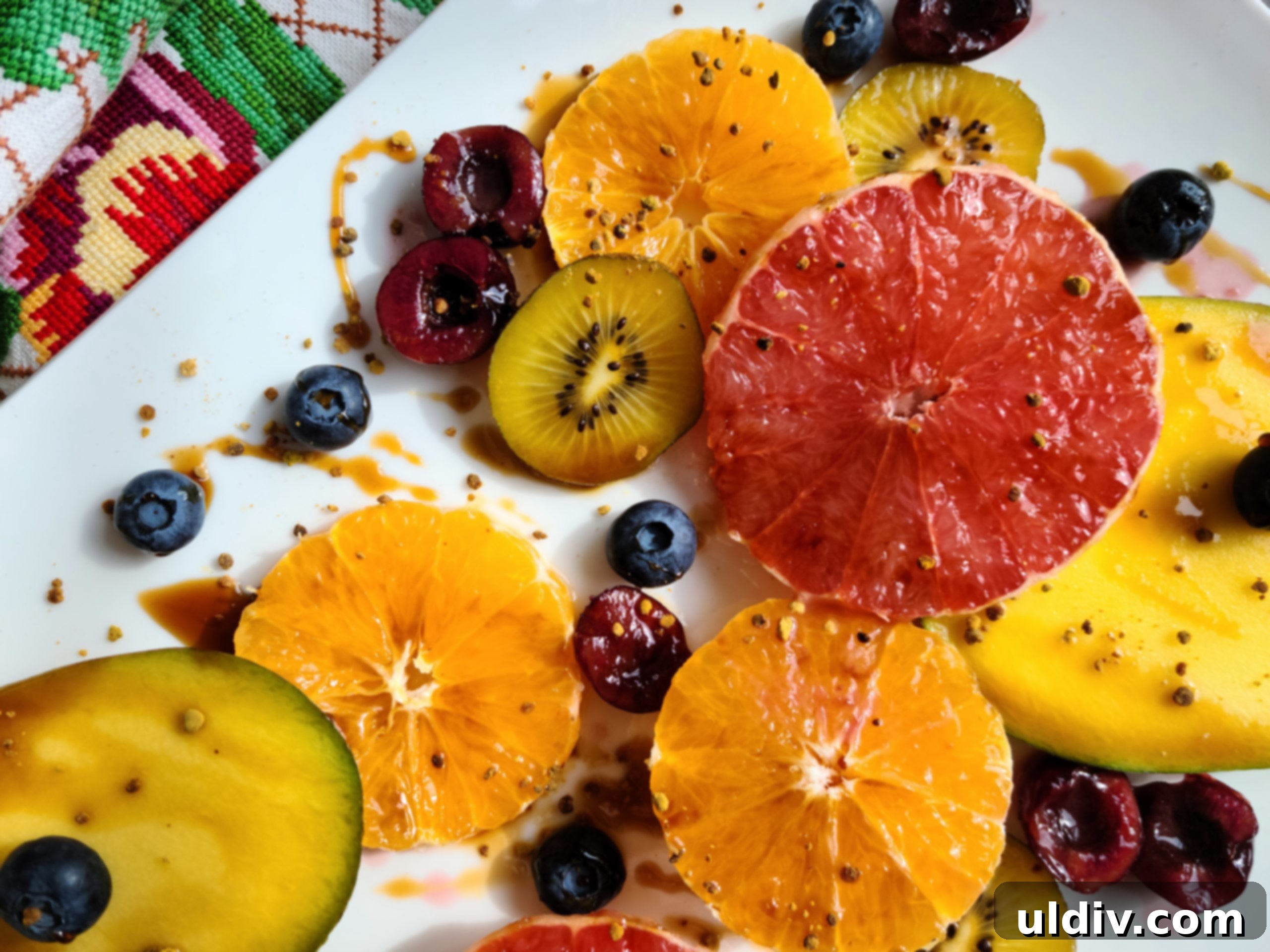
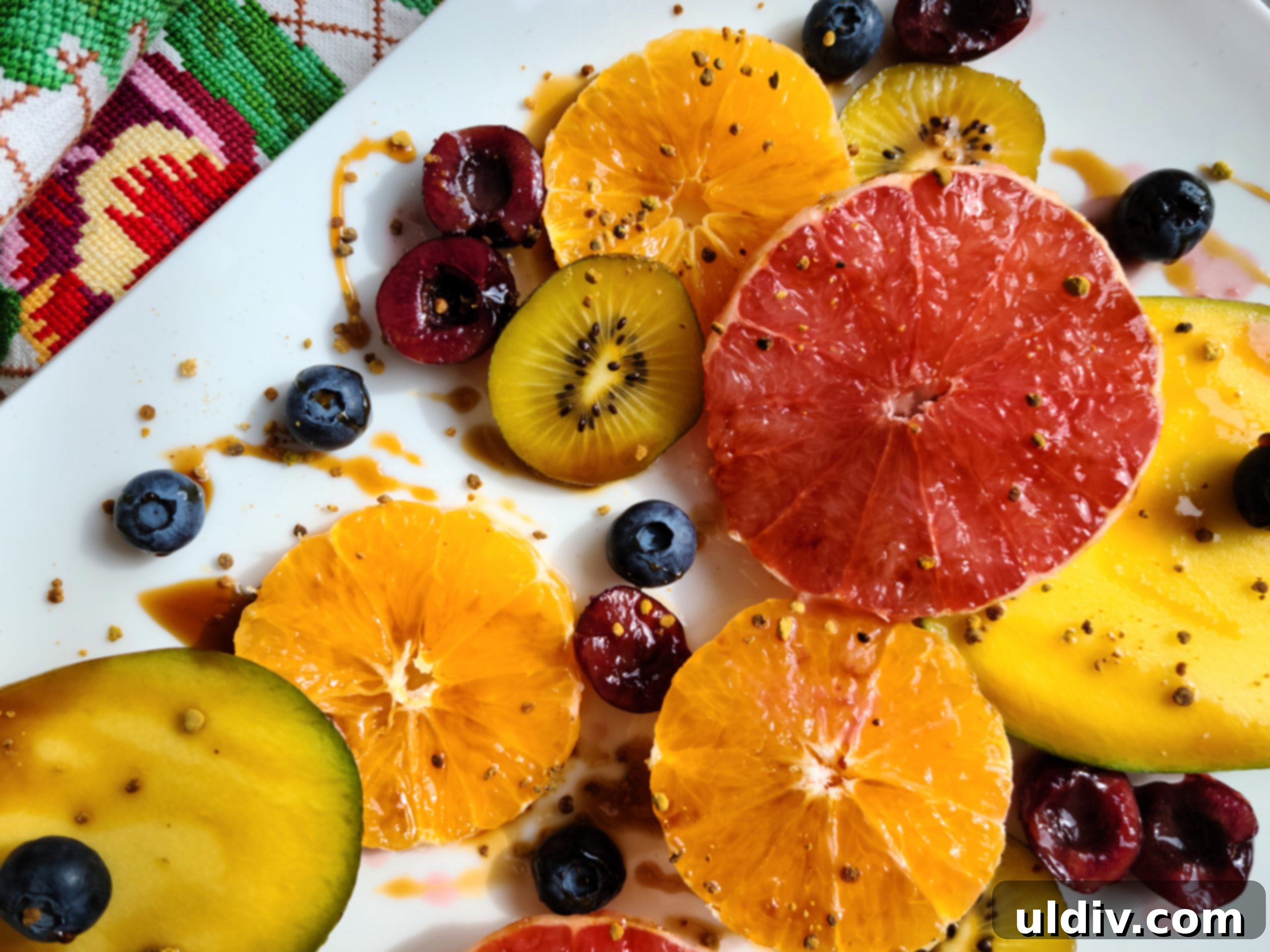
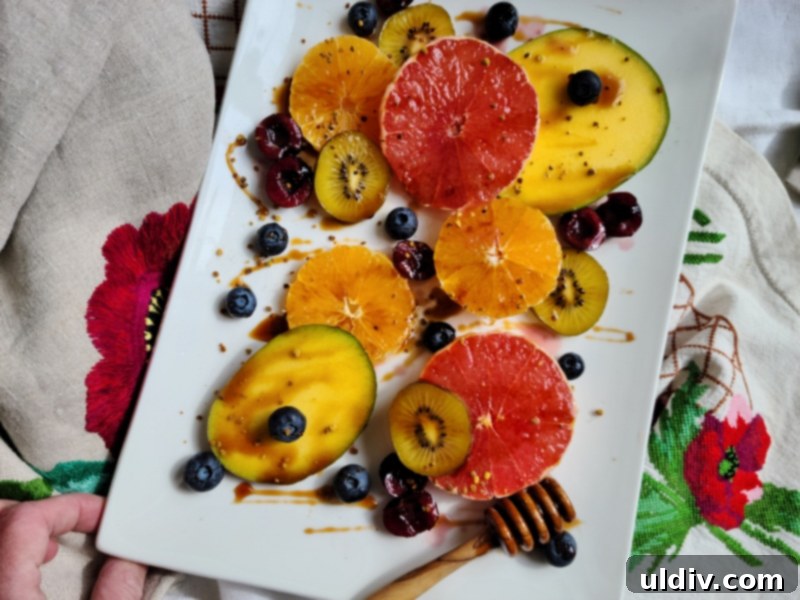
Beyond breakfast staples, bee pollen offers incredible versatility. I particularly enjoy integrating it into fruit salads, transforming a simple dish into a vibrant, nutrient-dense meal. The visual appeal of the golden granules atop colorful fruits is just an added bonus.
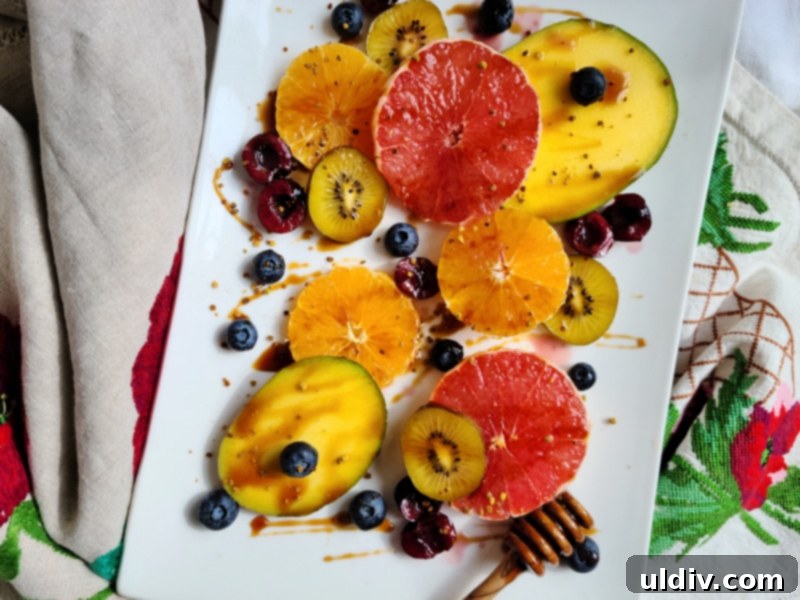
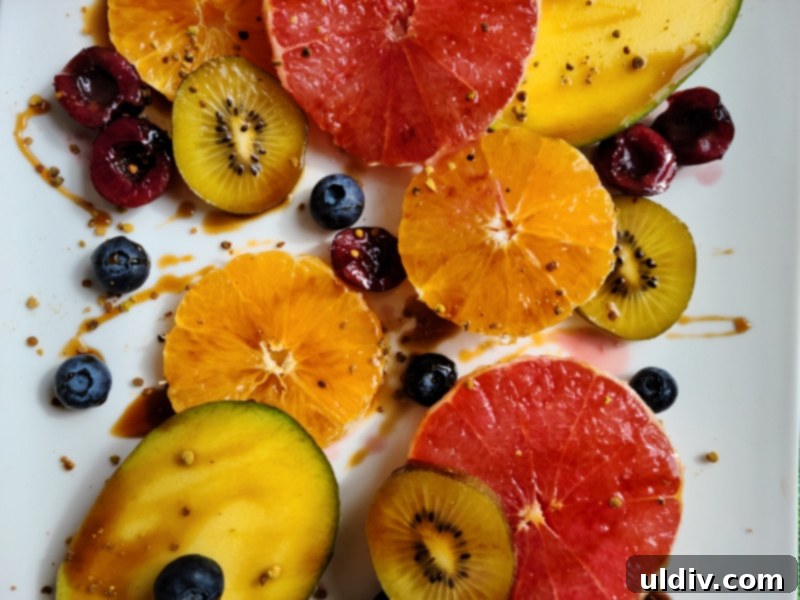
For an extra boost of flavor and immunity, I love pairing bee pollen with citrus fruits – think oranges, grapefruits, or tangerines – and a drizzle of raw buckwheat honey. I source my buckwheat honey from my beloved Amish store in Franklin Park, IL, known for its authentic, high-quality products. The contrasting textures and flavors create a delightful sensory experience: the tartness of the citrus, the deep sweetness of the honey, and the satisfying, subtle crunch of the pollen. It’s a truly harmonious blend that excites the palate.
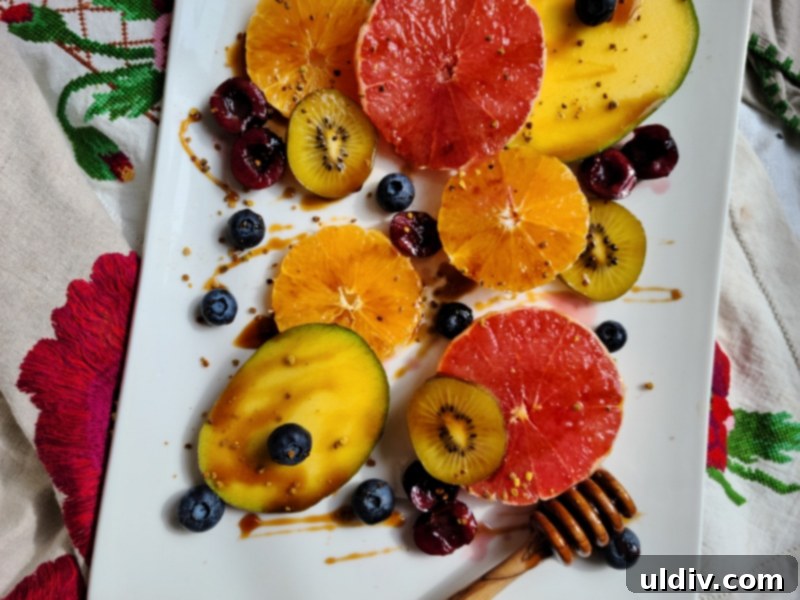
Sometimes, I enjoy a little indulgence, adding a few “buttered” fruits – like the halved cherries you see below – to my bee pollen creations. It’s a small, playful addition that adds another layer of deliciousness to an already wholesome treat. Healthy doesn’t have to mean boring!
Sourcing and Storage Tips for Bee Pollen
To ensure you’re getting the most out of your bee pollen, consider these tips when purchasing and storing:
- **Opt for Raw and Unprocessed:** Raw bee pollen retains its full spectrum of nutrients and enzymes, which can be diminished by heat or processing.
- **Look for Reputable Suppliers:** Choose brands that prioritize quality, sustainable beekeeping practices, and transparent sourcing. Organic or locally sourced options are often ideal.
- **Check for Freshness:** Good quality bee pollen should have a vibrant color and a fresh, slightly sweet aroma.
- **Proper Storage:** Store bee pollen in an airtight container in a cool, dark place. For extended freshness and to preserve its delicate nutrients, refrigeration or even freezing is highly recommended. This prevents oxidation and maintains potency.
More Than Just a Superfood: A Symbol of Nature’s Wisdom
My admiration for bee pollen extends far beyond its impressive nutrient profile and delightful crunch. To me, it embodies a profound symbolism of nature’s endless resourcefulness and healing power. As a staunch believer in the efficacy of natural healing, I view bee pollen as a steadfast ally in the ongoing journey of wellness and vitality. It serves as a potent reminder of the intricate balance and profound wisdom inherent in the natural world.
But perhaps most importantly, bee pollen is a vessel of cherished memories. It evokes vivid recollections of those formative conversations with my wise uncle, sitting beneath the cherry tree in his front yard, many years ago. Those moments were steeped in learning, connection, and the gentle guidance of a man who understood the profound magic of the earth. For me and my family, bee pollen has always been a great memory-maker, and I am committed to happily keeping that beautiful tradition alive, honoring both the power of nature and the legacy of my uncle’s wisdom.
How do you incorporate this golden superfood into your life? Do you have a favorite recipe or a unique way of enjoying bee pollen? I’d love to hear your experiences and insights. Please share your thoughts and recipes in the comments below!