
The allure of fresh, vibrant greens doesn’t have to fade with the changing seasons. As autumn settles in and gardens produce less, the opportunity to cultivate a thriving indoor oasis presents itself, particularly through the fascinating world of microgreens. Are you among those embracing indoor gardening this time of year? I confess, I am a passionate advocate for microgreens, captivated by their extraordinary nutritional punch and versatility in the kitchen. My enthusiasm stems from witnessing firsthand the amazing health benefits these tender mini-plants offer, enriching every meal with flavor and vitality. You can explore some of my favorite ways to incorporate them into dishes here, here, here, here, here, here and here. My journey with microgreens was also greatly influenced by a past collaboration with True Leaf Market, a leading supplier in the seed industry, which you can read more about here and here.
What Exactly Are Microgreens? Your Guide to Nutrient-Dense Living
Often mistaken for sprouts, microgreens are unique and fascinating culinary greens that offer immense nutritional value. As defined by experts like True Leaf Market, microgreens are “seeds grown like grass in trays on your countertop and harvested en masse at the seedling stage.” This critical distinction sets them apart from sprouts, which are germinated seeds typically consumed whole (seed, root, and shoot). Microgreens, conversely, are harvested after the first true leaves have emerged, usually within one to three weeks of planting, before they mature into full-grown plants. This precise harvesting window is key to their concentrated nutrient profile.
The diversity of seeds suitable for microgreening is truly astonishing. While popular plant families like brassicas (including vibrant varieties such as cabbage, mustard, broccoli, kale, and radish) are widely cultivated for their robust flavors and health benefits, the possibilities extend far beyond. You can transform a vast number of diverse plant families and species into nutrient-packed microgreens. This exciting list includes less common options like refreshing cantaloupe melon seeds, peppery nasturtium flower seeds, unique Chinese mahogany tree seeds, and many more. Experimenting with different seeds allows you to discover a wide spectrum of flavors, textures, and nutritional compounds, making indoor gardening an adventure.
Microgreens vs. Sprouts: A Clear Distinction in Growing Methods
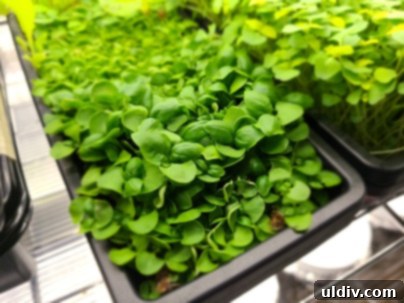
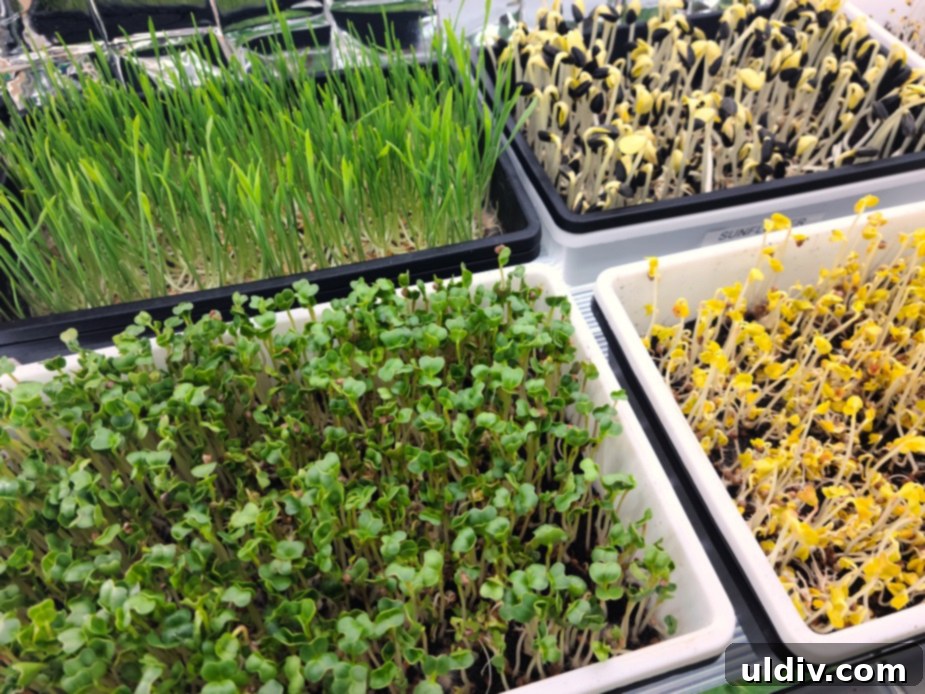
One of the primary differences between microgreens and sprouts lies in their cultivation requirements. Unlike sprouts, which can be grown simply in water and rinsed regularly, microgreens necessitate a growing medium. This medium provides the necessary support and nutrients for the plants to develop past the initial germination stage. Common choices for growing mediums include traditional soil or advanced hydroponic systems. For those new to the world of indoor gardening, using soil is often recommended as the best and most forgiving method. It provides a natural buffer for beginners, simplifying the initial steps of seed-to-harvest.
However, venturing into hydroponic mediums isn’t a complicated process and can be an incredibly clean and efficient way of growing microgreens. Hydroponics, which involves growing plants without soil, often uses specialized mats made from various types of fibers. These mats offer excellent aeration and moisture retention, crucial for healthy microgreen development. Popular choices for hydroponic growing mats include jute, coco coir, bamboo, and wood fiber. Each type of mat boasts unique properties and may be better suited than others, depending on the specific type of seeds you plan to grow. For instance, some seeds with finer root systems might thrive on a denser mat, while others might prefer a looser texture. Understanding these subtle differences can optimize your microgreen yields and ensure consistently healthy crops.
Embracing Indoor Gardening: Our Microgreen Journey at Home
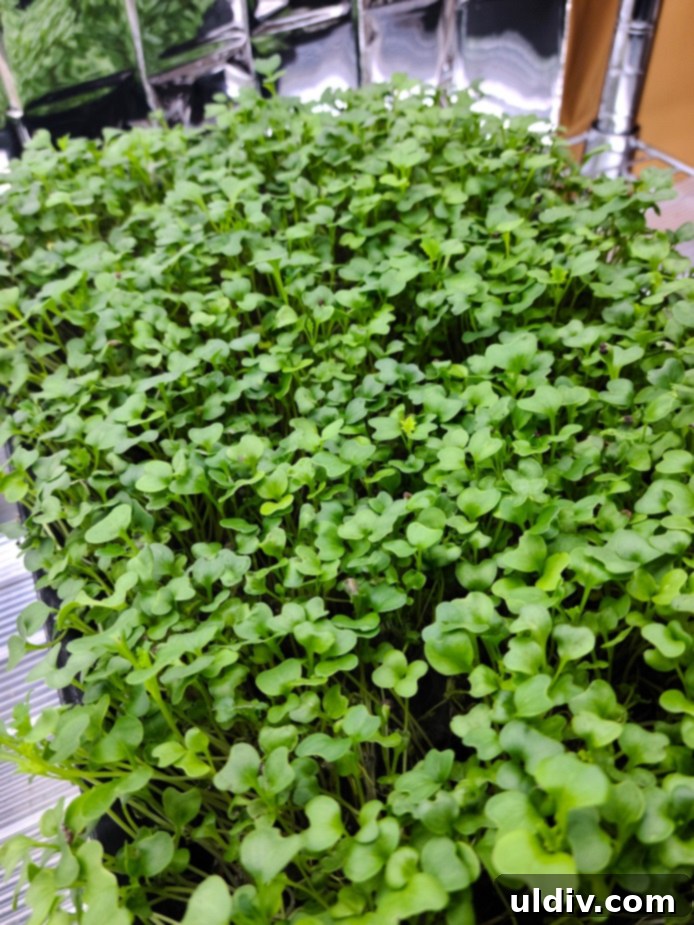
Our household has enthusiastically embraced both soil-based and hydroponic methods for cultivating microgreens, and we’ve experienced considerable success with both, particularly with hydroponics. The cleanliness and efficiency of hydroponic systems have proven beneficial not only for microgreens but also for growing more mature plants like fully developed Swiss chard, crisp lettuce, and aromatic herbs. As the vibrant colors of summer fade and fall firmly establishes itself, bringing with it shorter days and cooler temperatures, our outdoor garden’s productivity naturally dwindles. This seasonal shift signals the perfect time to transition our gardening efforts indoors, allowing us to maintain a consistent supply of fresh, homegrown produce throughout the colder months.
Growing microgreens indoors has become a cherished ritual, providing a continuous source of nutrient-dense greens regardless of the weather outside. It’s an incredibly rewarding experience, offering both the joy of nurturing plants and the satisfaction of harvesting fresh ingredients directly from our countertop to our plate. This accessibility ensures that we can enjoy peak-freshness and maximum nutritional benefits daily, even when the supermarket shelves offer limited seasonal options.
The Undeniable Benefits of Integrating Microgreens into Your Diet
Microgreens are not just aesthetically pleasing; they are potent powerhouses of nutrition, often containing significantly higher concentrations of vitamins, minerals, and antioxidants compared to their mature counterparts. Research indicates that microgreens can possess up to 40 times more nutrients than mature vegetables by weight, making them an incredibly efficient way to boost your daily intake of essential compounds. This concentrated nutritional profile contributes to a multitude of health benefits, including enhanced immune function, reduced inflammation, improved digestion, and support for overall cellular health. Varieties like broccoli microgreens, for example, are packed with sulforaphane, a compound known for its anti-cancer properties, while radish microgreens offer a spicy kick along with vitamins K and C. Incorporating these tiny greens into your daily meals is a simple yet impactful step towards a healthier lifestyle.
Cultivating Your Own: A Sustainable and Rewarding Hobby
Beyond their nutritional advantages, growing microgreens at home offers numerous practical benefits. It’s an incredibly cost-effective way to enjoy fresh, organic produce year-round, eliminating the need for frequent grocery store trips for specialty greens. Home cultivation also gives you complete control over your food source, ensuring that your microgreens are free from pesticides and harmful chemicals. The process itself is remarkably simple and fast, with most varieties ready for harvest in under three weeks, making it an ideal project for beginners and seasoned gardeners alike. It requires minimal space, often just a sunny windowsill or a small corner with a grow light, making it perfect for urban dwellers or those with limited outdoor gardening options. The act of growing your own food is deeply rewarding, fostering a connection to nature and providing a tangible sense of accomplishment.
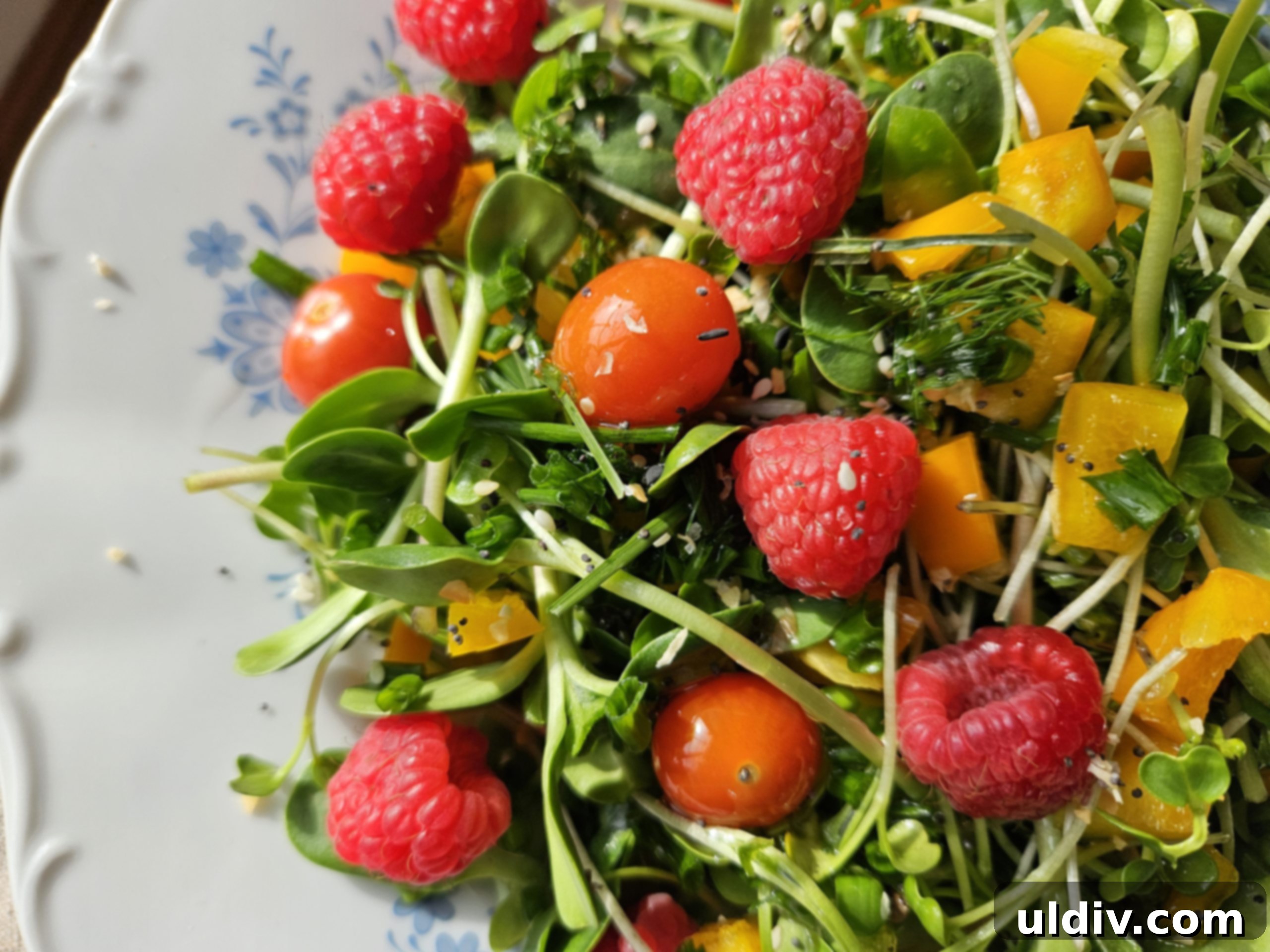
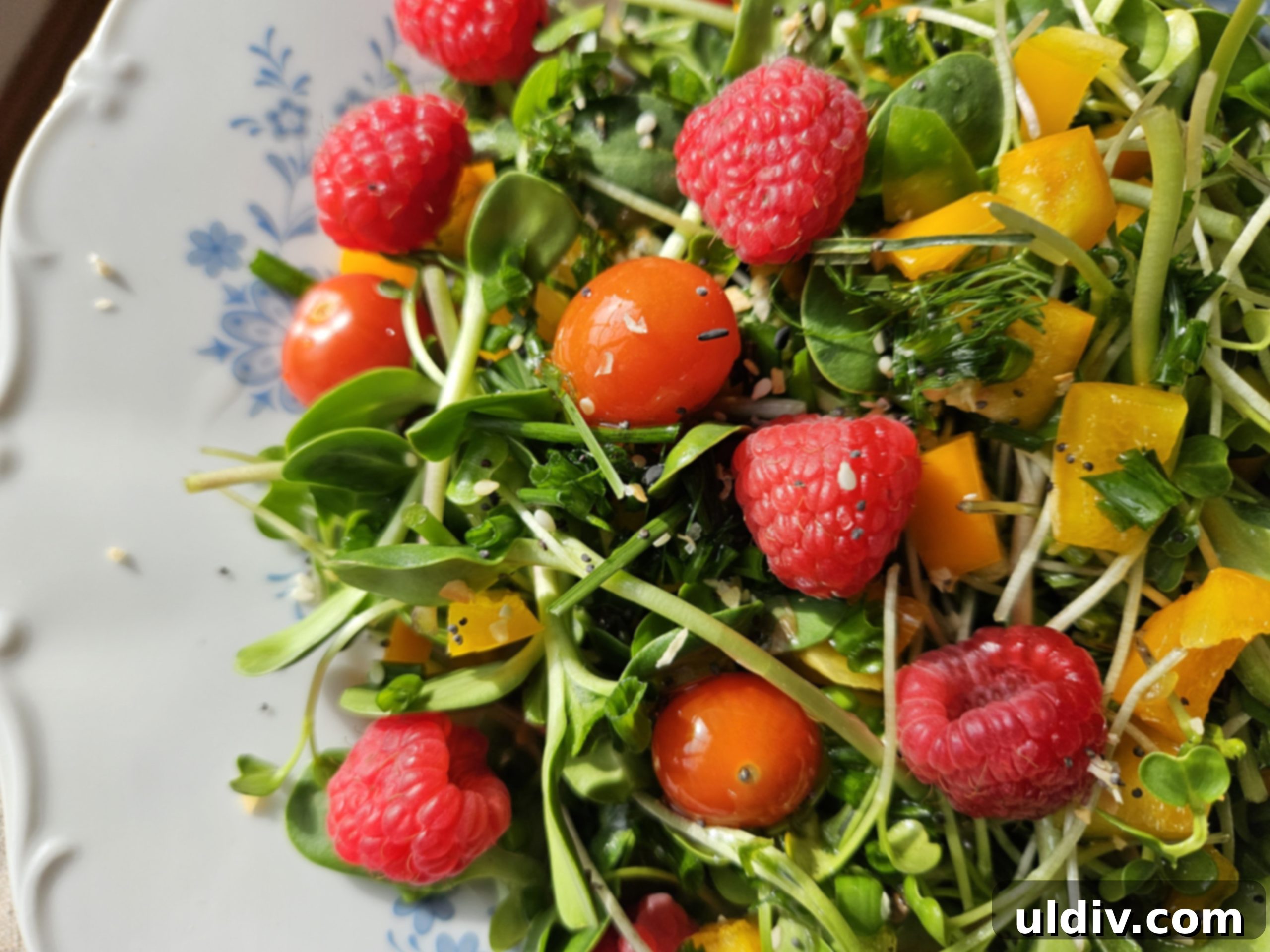
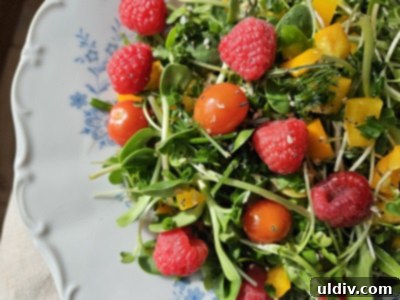
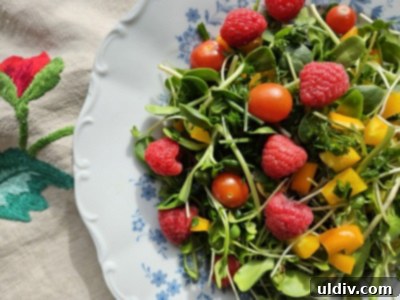
To truly appreciate the fresh flavor and vibrant textures of these homegrown gems, consider this very straightforward and incredibly delicious salad. It beautifully showcases a medley of our freshly harvested sunflower and radish microgreens, complemented by sweet cherry tomatoes, crisp bell peppers, fragrant dill, and a burst of store-bought raspberries. All these fresh ingredients are tossed in a simple, zesty lemon vinaigrette, and finished with a generous sprinkle of everything bagel seasoning for an extra layer of flavor and crunch. This dish is designed to highlight the unique qualities of each component, creating a harmonious and invigorating culinary experience.
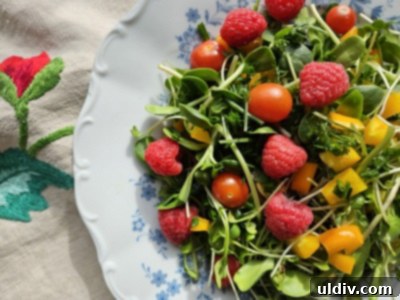
This salad is a testament to the fact that healthy eating can be both uncomplicated and profoundly satisfying. It’s down to earth in its preparation, yet beautiful in its presentation, and absolutely packed with essential nutrients. Each bite delivers a burst of freshness and a delightful array of textures and flavors. It perfectly encapsulates the joy of simple, wholesome ingredients combined to create something truly special. The peppery notes of radish microgreens, the nutty undertones of sunflower microgreens, the sweetness of raspberries, and the tang of the lemon vinaigrette all come together in a symphony of taste that nourishes both body and soul. This recipe is a perfect example of how incorporating microgreens can effortlessly elevate everyday meals into extraordinary culinary experiences.
We’ve found immense joy and health benefits from consistently growing microgreens indoors, especially as the seasons change and fresh garden produce becomes scarcer. This practice not only provides us with a continuous supply of nutrient-dense food but also brightens our home with living greenery. It’s a simple, sustainable, and incredibly rewarding hobby that I encourage everyone to try. Are you currently growing microgreens, either indoors or out? Perhaps you have a favorite variety or a unique growing tip to share? I’d love to hear about your experiences and discoveries in the comments below. Let’s connect and inspire each other to embrace the power of these tiny nutritional giants!

Print Recipe
Vegan Microgreen Salad
Ingredients
- 3 cups microgreens of choice, washed, and dried with a paper towel
- 1 cup cherry tomatoes
- 1 cup diced bell pepper
- 1 cup raspberries
- 2 tbsp finely chopped dill
- 1/2 cup extra virgin olive oil
- 3 tbsp freshly squeezed lemon juice
- 2 tsp honey
- 1 tbsp Everything but the Bagel seasoning
- Salt and pepper to taste
Instructions
-
In a small Pyrex cup or bowl, make the vinaigrette by mixing extra virgin olive oil, lemon juice, honey, and salt and pepper to taste.
-
Place all of the ingredients in a large mixing bowl. Pour the vinaigrette on top, and mix until well combined. Taste and add salt and/or pepper, if necessary. Chill the salad in the fridge until serving time. Serve at room temperature as an appetizer or a main meal, with fresh bread.
-
Enjoy!